The Shift (1966)
it starts like this
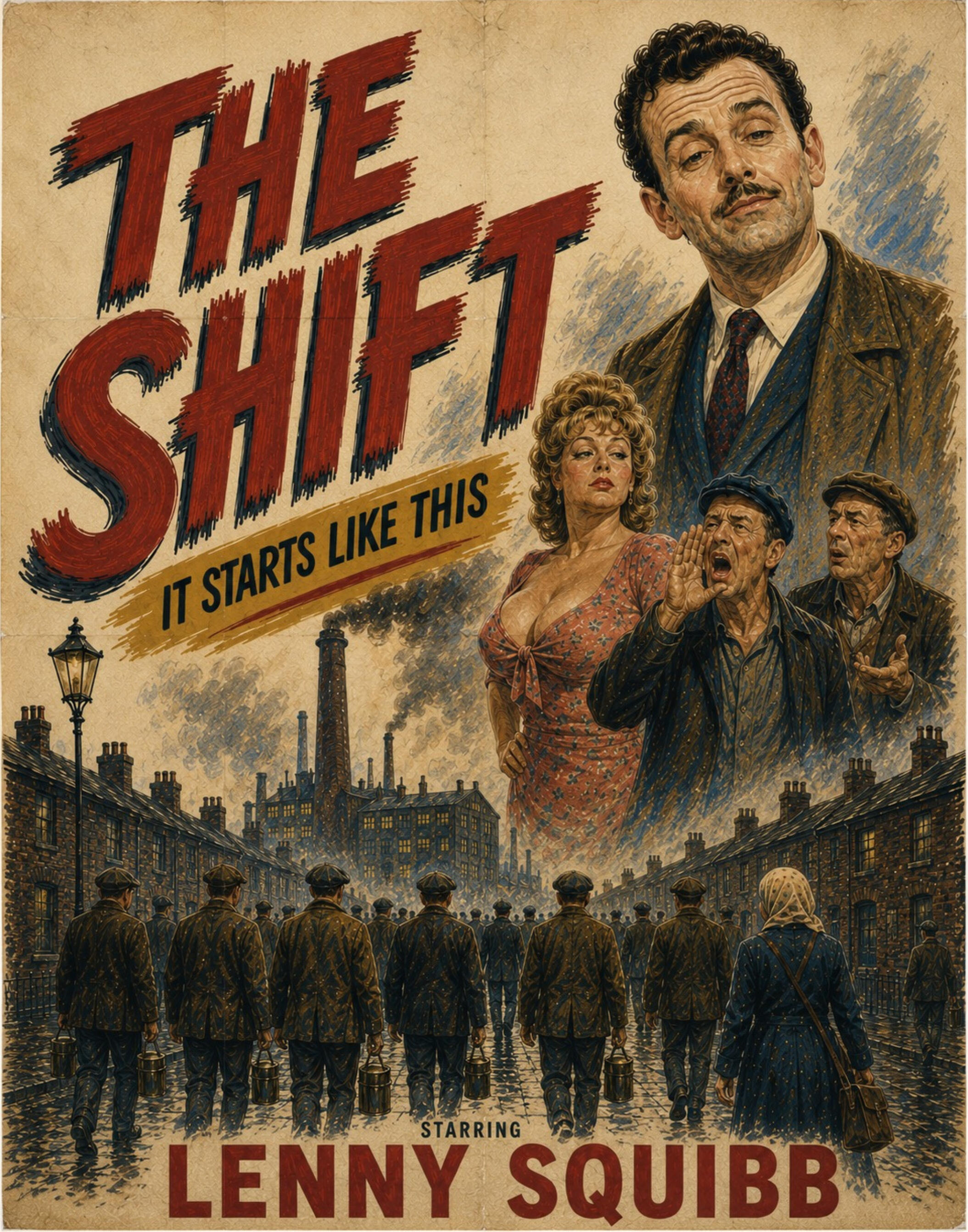
Most, if not all, Crimea Street Films divided both critics and audiences, but The Shift was different.Almost nobody liked it.For many, it marked the beginning of the end for the studio.The absence of Alistair Dunmore, who had died the previous year, was impossible to ignore. He had been the glue that held Crimea Street Films together, the steady voice that settled disagreements and ensured that every production remained true to the studio's identity.Without him, decisions were increasingly made by committee, old differences resurfaced and the result was a confused production that lasted little more than a week before cinemas across the North began quietly withdrawing it from their programmes.
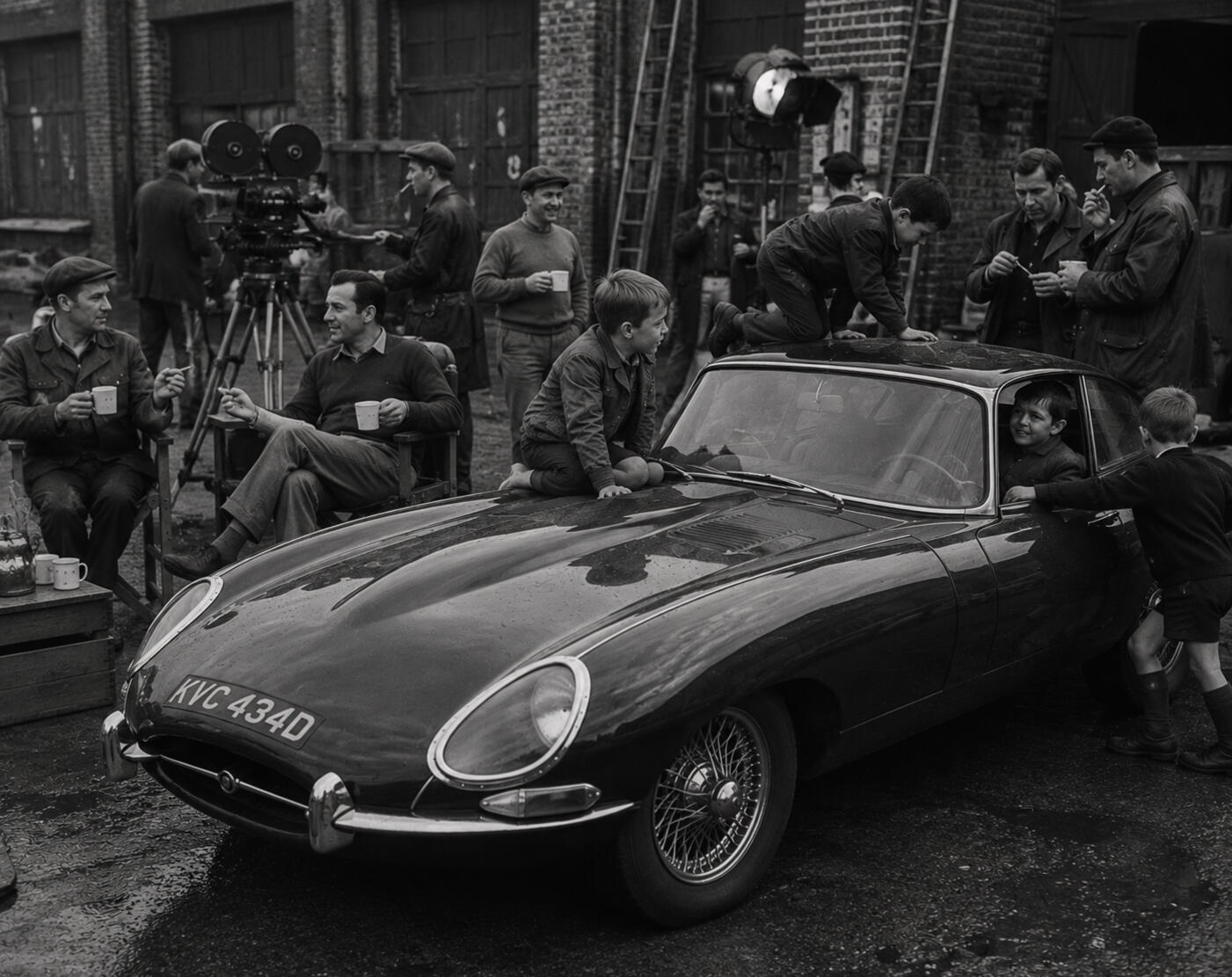
Much of the film retained the sombre, restrained style audiences had come to expect, yet there was also an awkward attempt to introduce Carry On-style humour in the hope of capitalising on its growing popularity. The combination pleased nobody.Adding to the difficulties was the casting of Lenny Squibb, who was widely rumoured to have secured the leading role after providing a much-needed financial injection into the struggling studio. A Londoner by birth, his attempts at a Lancashire accent were described by one critic as "closer to Stockholm than Salford", while his habit of arriving on set in an E-Type Jaguar did little to endear him to cast or crew.We include The Shift as part of the Crimea Street Films story, not because it represents the studio at its best, but because it demonstrates how quickly things unravelled once Dunmore was no longer there to hold everything together.
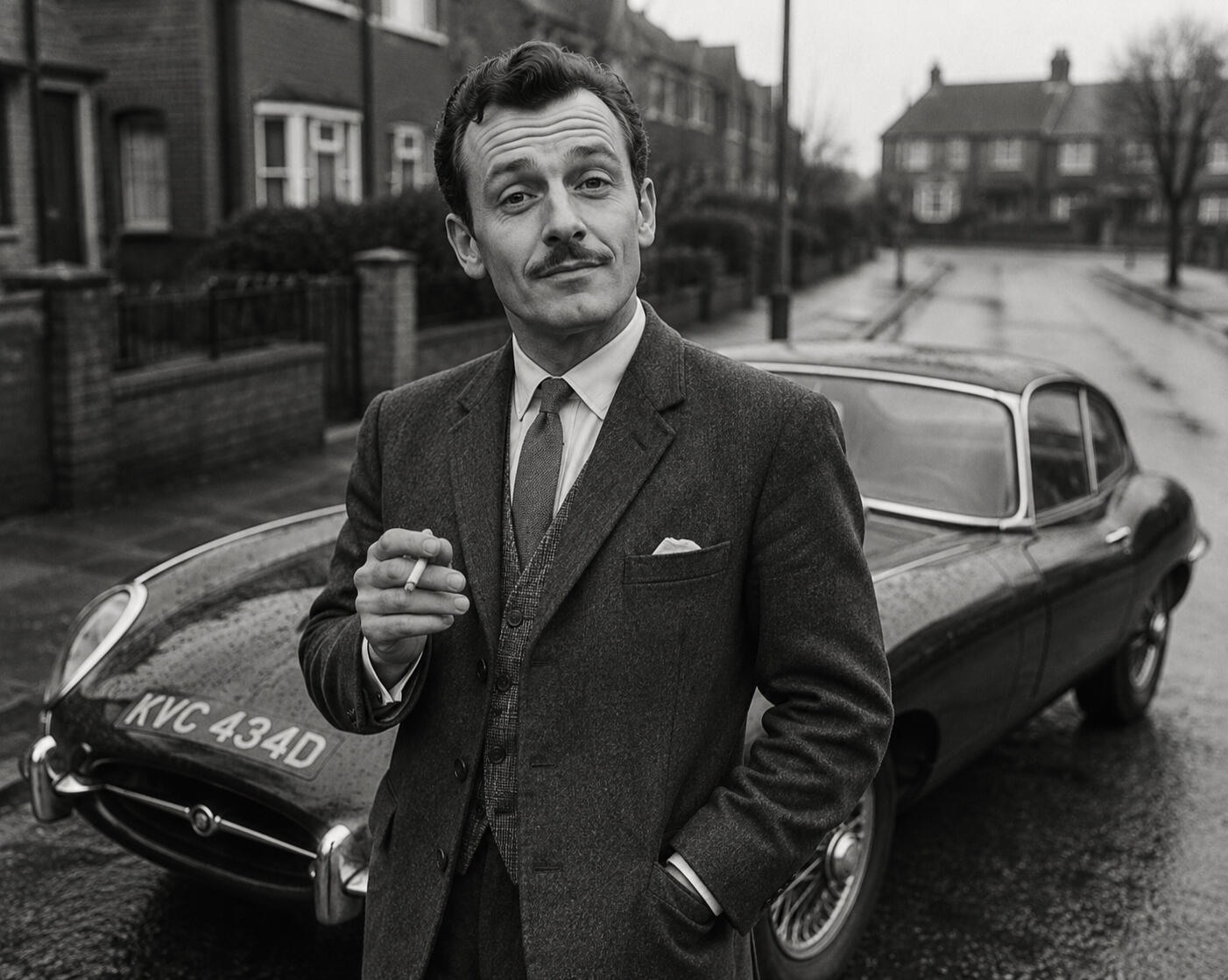
Lenny Squibb (1935 – ?)Not a great deal is known about Lenny Squibb. One day he was said to be a market trader in Balham and the next he was living in Hale with a flashy car and plenty of money that he never seemed shy about displaying.Rumour had it that he knew Dunmore's wife and that it was through her he first became aware of Crimea Street Films and the opportunity it presented.Money talks and, by 1966, in the financial position the studio found itself, it positively shouted.
It was not long before Lenny was offering opinions on the script and, before anyone quite knew how it had happened, he had secured the leading role despite having no known acting experience. Morale was low, resentment simmered beneath the surface and the south Londoner appeared blissfully unaware as he embraced the lights, cameras and attention.
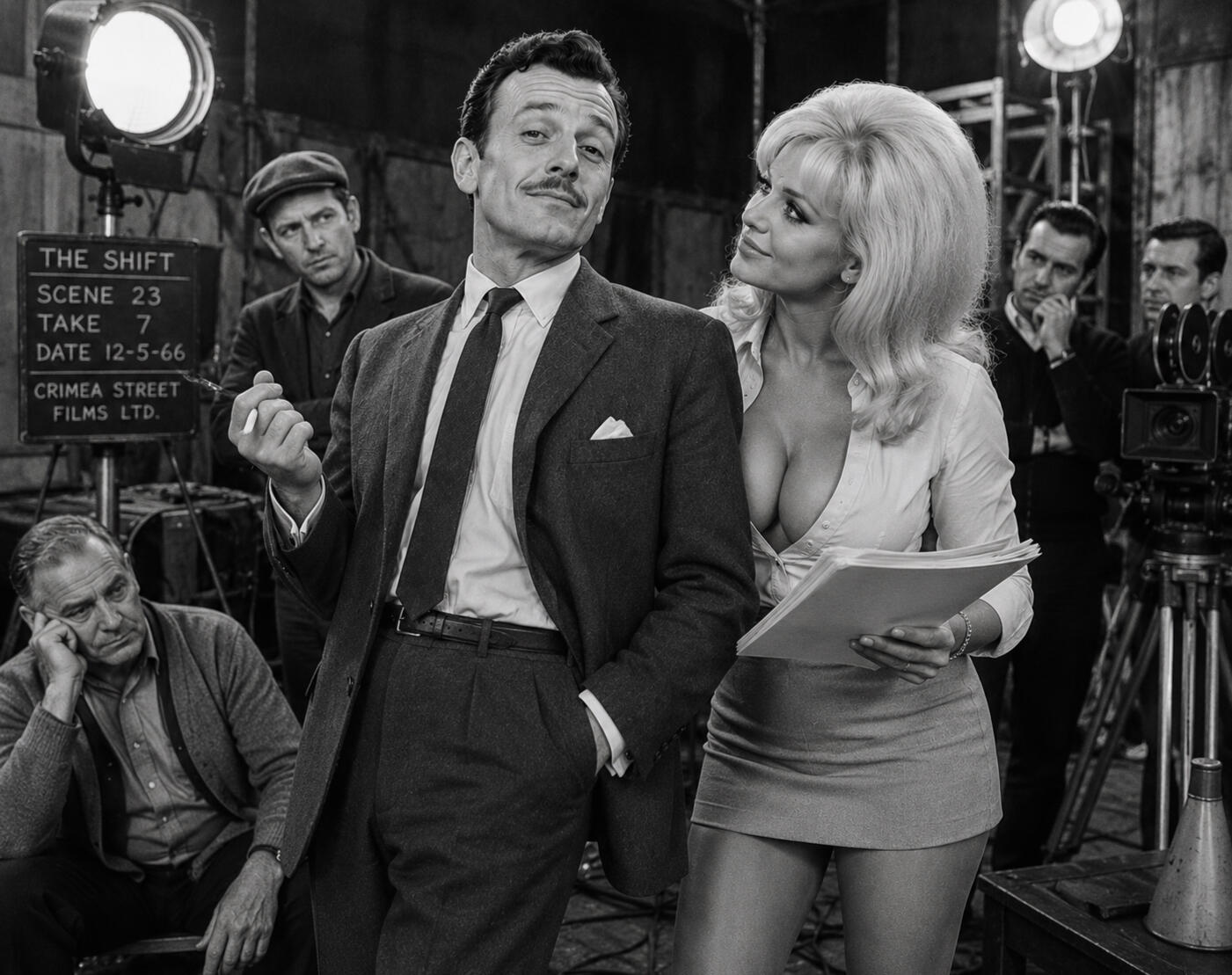
Enough has already been written about the failings of The Shift but, while hindsight is always a wonderful thing, it remains remarkable that nobody suggested abandoning the production altogether.Double entendres and emphysema make uncomfortable companions, while industrial accidents and long-term unemployment proved equally unsuitable bedfellows for cheeky one-liners.Almost as soon as filming had concluded, Lenny disappeared. Some claimed his past had finally caught up with him, others insisted he had driven to the south of Spain, but the overwhelming view among those connected with Crimea Street Films was rather less romantic.Most simply did not care.
Contemporary ReceptionThe Guardian
"One leaves with the uncomfortable feeling that the late Alistair Dunmore would never have allowed this film beyond the first week of rehearsals."Picturegoer
"Lenny Squibb attacks a Lancashire accent with admirable enthusiasm and spectacular inaccuracy. One is left wondering whether he learnt it from a Norwegian phrasebook."The Yorkshire Post
"The factory scenes possess the familiar visual power associated with Crimea Street Films, but every attempt at humour lands with a dull thud. The audience laughed only once, and we suspect that was accidental."We were unable to find anyone who had something positive to say about this particular film. That makes it unique because even the most challenging productions had its fans.
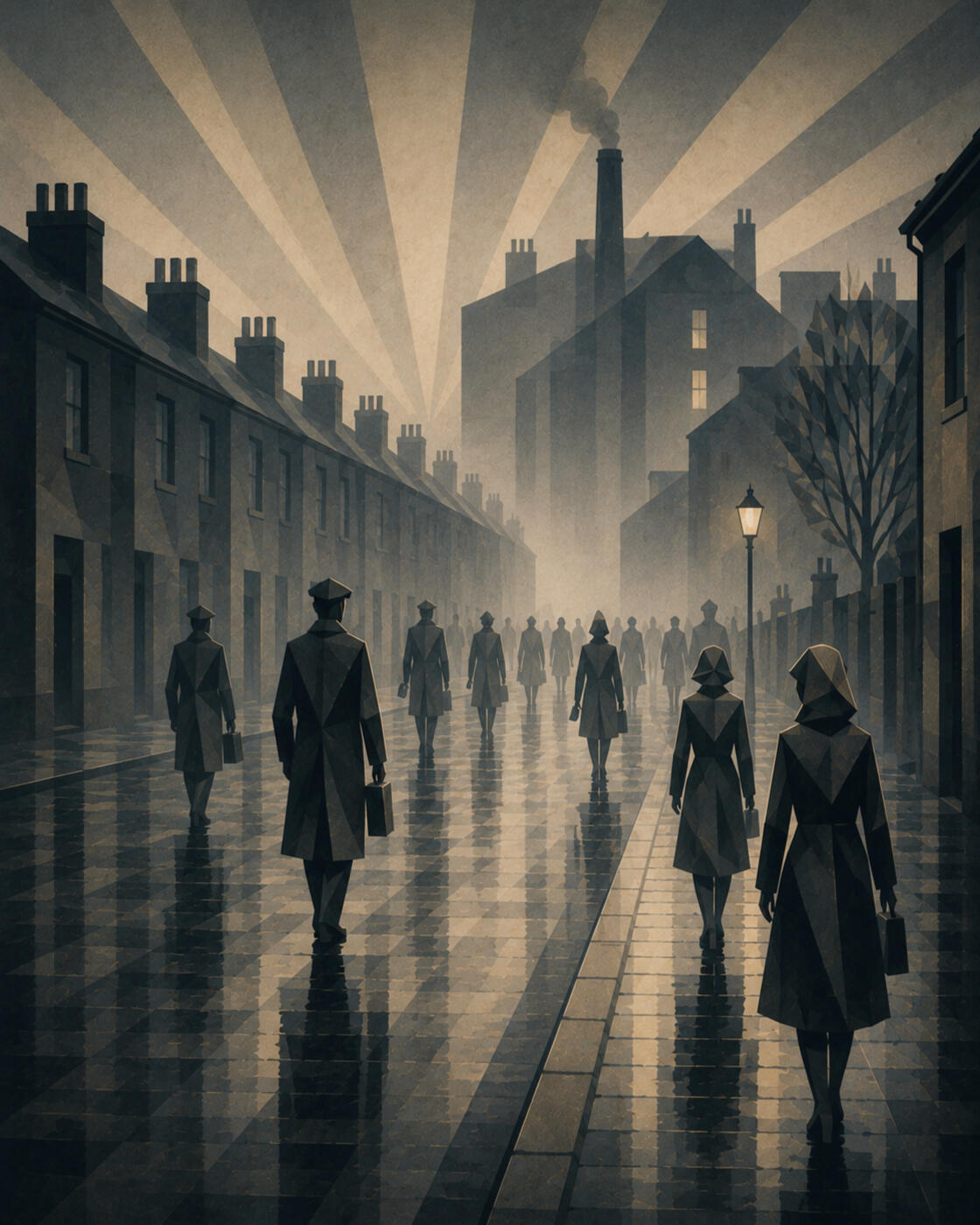
The Shift (Northern Deco)For The Shift, Olive James reinterpreted the daily walk to the factory using the bold geometry and simplified forms that became her hallmark, transforming rain-soaked streets and weary workers into an ordered procession of repeating shapes beneath radiating skies.The familiar industrial landscape remains central to the composition, but the bleak realism of the original film gives way to a more balanced arrangement of muted greys, warm stone tones and carefully structured perspective. The looming factory still dominates the horizon, yet the atmosphere feels contemplative rather than oppressive.Rather than illustrating a single moment from the film, James sought to capture the quiet ritual repeated in countless northern towns, where generations of workers followed the same route each morning with little expectation that tomorrow would be any different.The result is a composition that elevates an ordinary working day into something almost monumental, finding rhythm, dignity and unexpected beauty within the routines of industrial life.
From the ArchiveWe asked several members of the production crew who remembered Lenny from that time for their recollections. Their responses were remarkably consistent."He wasn't one of us.""People think it was the accent, but it wasn't. We could've forgiven that.""Lenny was just a bit of a dick."